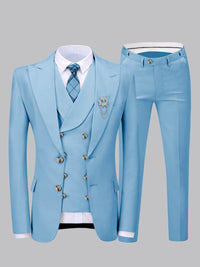
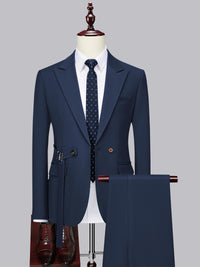
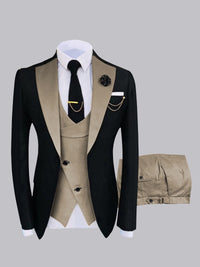


How to Style 2 Piece vs 3 Piece Suits for Different Body Types
Finding the right suit is about more than color or fabric — it’s about how the suit complements your body type. While both 2 piece and 3 piece suits have their advantages, knowing which to choose (and how to style them) can make the difference between looking “dressed up” and looking truly sharp.
Here’s how you can decide between a 2 piece and 3 piece suit depending on your frame, and the best styling tricks to bring out your best features.
1. For Slim Builds: Add Depth with a 3 Piece Suit
If you’re naturally slim, a 3 piece suit can add visual weight and structure. The waistcoat creates an additional layer that gives your torso more presence, helping you avoid looking too lean in a formal outfit.
Opt for a waistcoat that’s slightly textured or patterned to create depth, or keep it tonal for sleek minimalism. Pair with slim-fit trousers and a well-tailored jacket to elongate your silhouette. Avoid oversized cuts — they’ll drown your frame and make you look smaller.
A simple 2 piece can also work for slim men, but the 3 piece has the edge when you want to look more commanding without sacrificing elegance.

2. For Broader Builds: Streamline with a 2 Piece Suit
Men with broad shoulders or a stockier frame often benefit from the clean simplicity of a 2 piece suit. Removing the waistcoat helps avoid extra bulk around the midsection, creating a sleeker, more balanced profile.
Stick to structured jackets with a tailored waist to emphasise shape without exaggerating width. Flat-front trousers and darker colors like navy or charcoal work wonders to slim the frame. If you do choose a 3 piece suit, ensure the waistcoat is low-cut and lightweight so it doesn’t add unnecessary volume.
The rule of thumb: simplicity sharpens. A 2 piece is your go-to for balance and streamlined polish.

3. For Taller Builds: Balance Proportions with Layers
If you’re tall, both 2 piece and 3 piece suits can look fantastic — it’s about how you balance your height. A 3 piece suit breaks up long vertical lines with the addition of the waistcoat, making your proportions look more harmonious.
Patterns like windowpane checks or pinstripes also flatter tall men by creating structured visuals without overwhelming the frame. Keep trouser length crisp with no excess fabric pooling at the ankles, and consider slightly wider lapels to balance the height.
For more casual events, a 2 piece suit in lighter shades like grey or blue can soften the stature while still looking stylish.

4. For Shorter Builds: Go Sleek with a 2 Piece Suit
If you’re on the shorter side, a 2 piece suit usually works best. Without the waistcoat, your torso looks longer, which creates the illusion of added height. Stick to slimmer cuts and avoid boxy jackets that shorten your proportions.
Single-breasted jackets with low button placement are especially flattering, and keeping your suit and shirt tones close together helps streamline your look. If you want to wear a 3 piece suit, make sure the waistcoat is well-fitted and the jacket length doesn’t overwhelm your frame.
The golden rule: keep lines clean and proportions sharp — the simpler the look, the taller you’ll appear.

Final Thoughts
There’s no one-size-fits-all rule when it comes to 2 piece vs 3 piece suits. The best choice depends on your body type, your occasion, and the impression you want to make. Slim men gain structure from a 3 piece, broader men benefit from the simplicity of a 2 piece, while tall and shorter builds can adjust styling details to highlight their best features.
At the end of the day, the right suit isn’t just about following fashion — it’s about finding the cut and style that helps you look sharp, confident, and comfortable in your own skin.